 InfoBuzzHub – Tech, Money, Lifestyle & Travel Insights
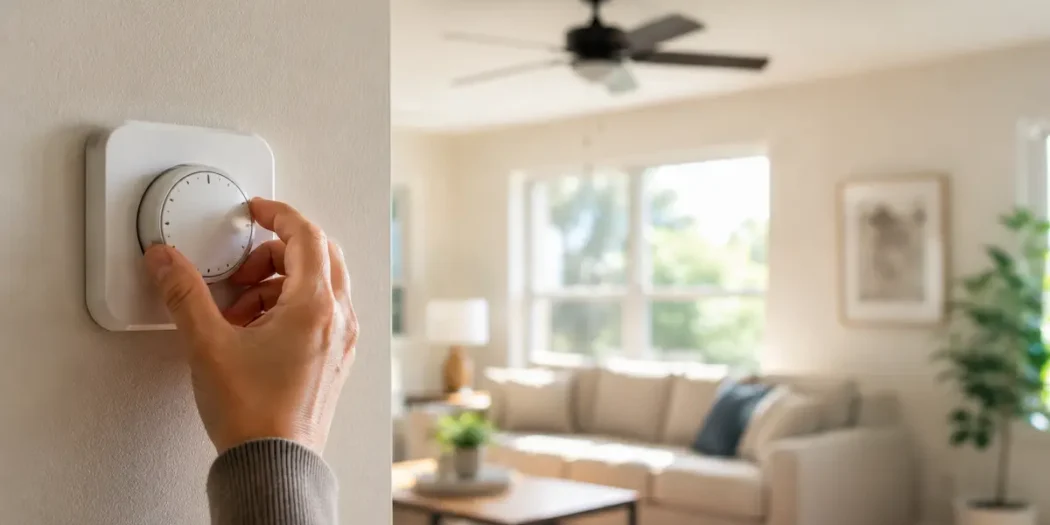
The most effective way to lower your electricity bill is to focus first on heating and cooling, which typically account for roughly 40 percent or more of a home’s total energy use, followed by simple no cost habit changes like adjusting your thermostat and unplugging idle electronics, then low cost fixes like switching to LED bulbs and sealing drafts. The average U.S. household spent around $144 a month on electricity in recent data, so even modest changes across several categories can add up to meaningful savings over a year.
Why Heating and Cooling Deserve the Most Attention
Before diving into individual tips, it helps to understand where your money is actually going. According to the U.S. Department of Energy, heating and cooling typically account for close to half of a home’s total utility costs, making it by far the largest single category of energy use in most households. This means the biggest, most reliable savings usually come from targeting this category first, rather than spreading effort evenly across every possible tip.
No Cost Habit Changes
Adjust Your Thermostat
Setting your thermostat a few degrees lower in winter and a few degrees higher in summer, especially when you’re asleep or away from home, can meaningfully reduce heating and cooling costs without any upfront spending. A commonly cited starting point is around 68°F in colder months and 76°F to 78°F in warmer months, adjusted to your comfort level.
Use Fans Before Air Conditioning
Ceiling or portable fans use a small fraction of the electricity an air conditioner does. Running a fan first, and only turning on the AC when the room is still genuinely too warm, reduces cooling costs on milder days.
Unplug Idle Electronics
Many devices continue drawing a small amount of power even when turned off, sometimes called phantom load. Unplugging chargers, game consoles, and small appliances when not in use, or using a power strip you can switch off entirely, eliminates this quiet, constant draw.
Take Advantage of Natural Light and Airflow
Opening blinds during the day reduces the need for artificial lighting, while opening windows at night when temperatures drop can help cool a home naturally before you turn on the AC the next day.
Wash Clothes in Cold Water
Most of the energy used by a washing machine goes toward heating water, not running the motor. Switching to cold water for regular loads reduces that cost with no change to your laundry routine beyond the setting itself.
Air Dry Clothes When Possible
Clothes dryers are among the more energy intensive household appliances. Air drying even some loads, particularly during warmer months, reduces electricity use without requiring any purchase.
Low Cost Fixes (Under $50 Typically)
Switch to LED Lighting
LED bulbs use meaningfully less electricity than older incandescent bulbs and last considerably longer, making the upfront cost pay for itself over time through both energy savings and fewer replacements.
Seal Drafts Around Doors and Windows
Gaps around doors and windows let conditioned air escape and outside air in, forcing your heating or cooling system to work harder. Weatherstripping and caulk are inexpensive and can noticeably reduce this energy loss.
Use a Smart or Programmable Power Strip
These strips can automatically cut power to devices in standby mode, addressing phantom load for an entire entertainment center or home office setup without manually unplugging each device.
Clean or Replace HVAC Filters Regularly
A dirty filter forces your heating and cooling system to work harder to push air through, increasing energy use. Keeping filters clean, generally every one to three months for central systems, supports both efficiency and system longevity.
Adjust Your Water Heater Temperature
Many water heaters are set higher than necessary by default. Lowering the temperature setting slightly, while staying within a safe range, reduces the energy used to keep water hot around the clock.
Bigger Investments (Longer Term Payoff)
Install a Smart Thermostat
A smart thermostat can automatically adjust temperatures based on your schedule and habits, capturing savings you might forget to manage manually, and it often pays for itself over a few years through reduced heating and cooling costs.
Upgrade to ENERGY STAR Appliances
Appliances carrying the EPA’s ENERGY STAR label meet specific energy efficiency standards. Replacing an aging refrigerator, washer, or HVAC system nearing the end of its lifespan with an ENERGY STAR certified model can produce meaningful long term savings, even though the upfront cost is higher.
Improve Home Insulation
Poor insulation lets conditioned air escape through walls, attics, and floors, which is one of the larger hidden contributors to high heating and cooling costs. A professional energy audit can identify exactly where a home is losing the most energy, helping prioritize where insulation upgrades matter most.
Consider a Home Energy Audit
Many utility companies offer home energy audits, sometimes free or discounted, which assess where a specific home is losing energy and provide a prioritized list of improvements rather than generic advice.
Renter Friendly Ways to Lower an Electricity Bill
- Focus on the no cost and low cost categories above, since most don’t require landlord approval or permanent changes
- Use removable weatherstripping around windows and doors, which can be taken down without damage when you move
- Ask your landlord about existing appliance efficiency, since some landlords are willing to upgrade an old, inefficient appliance if it also reduces their own maintenance costs
- Check if your utility offers a renter specific energy assistance or rebate program, since some programs apply regardless of homeownership status
Seasonal Considerations
- Summer: Focus on cooling efficiency first, since air conditioning tends to be the single largest seasonal cost driver, and use fans, shade, and thermostat adjustments before relying on the AC to do all the work
- Winter: Focus on sealing drafts and using efficient heating habits, since heating typically becomes the dominant cost category in colder months
- Spring and fall: Take advantage of milder weather to rely on natural ventilation rather than heating or cooling systems as much as possible
Mistakes People Make When Trying to Lower Their Bill
- Focusing only on small appliances like phone chargers while ignoring heating and cooling, which typically represents a much larger share of the total bill
- Setting a thermostat to an extreme temperature to cool or heat a room faster, which doesn’t actually speed up the process and often just wastes energy
- Ignoring HVAC maintenance, letting a dirty filter or an aging system quietly increase energy use over time
- Making large appliance purchases without checking for the ENERGY STAR label, missing out on meaningful long term savings for a similar upfront cost
- Not checking with your utility company about available discounts, budget billing, or assistance programs that could reduce costs or make bills more predictable
FAQs
1. What uses the most electricity in a typical home?
Heating and cooling typically account for the largest share of a home’s electricity use, often close to half of total utility costs, according to the U.S. Department of Energy.
2. What is the fastest way to lower an electricity bill with no money spent?
Adjusting your thermostat a few degrees, using fans before air conditioning, unplugging idle electronics, and washing clothes in cold water are all free changes that can reduce electricity use immediately.
3. Does unplugging electronics actually save money?
Yes, to a modest degree. Many devices draw a small amount of power even when off, sometimes called phantom load, and unplugging them or using a switchable power strip eliminates that constant, low level draw.
4. Is it worth buying a smart thermostat to save on electricity?
For many households, yes. A smart thermostat automates temperature adjustments based on your schedule, often paying for itself over a few years through reduced heating and cooling costs.
5. How can renters lower their electricity bill without making permanent changes?
Renters can focus on no cost habit changes and removable solutions like weatherstripping, along with checking if their utility offers assistance programs available to any customer, not just homeowners.
6. Do ENERGY STAR appliances really make a noticeable difference?
Yes, particularly for larger appliances like refrigerators, washers, and HVAC systems, where efficiency differences compound over years of daily use.
7. What temperature should I set my thermostat to save money?
A commonly cited guideline is around 68°F in winter and 76°F to 78°F in summer, adjusted up or down based on your comfort level and whether anyone is home.
8. Should I call my utility company about lowering my bill?
It can help. Many utility companies offer home energy audits, budget billing plans, or assistance programs that aren’t obvious from a standard bill.

2 comments
Pingback: Signs You Need to Replace Your AC Unit Instead of Repairing It
Pingback: Signs You Need a New Roof vs a Repair