 InfoBuzzHub – Tech, Money, Lifestyle & Travel Insights
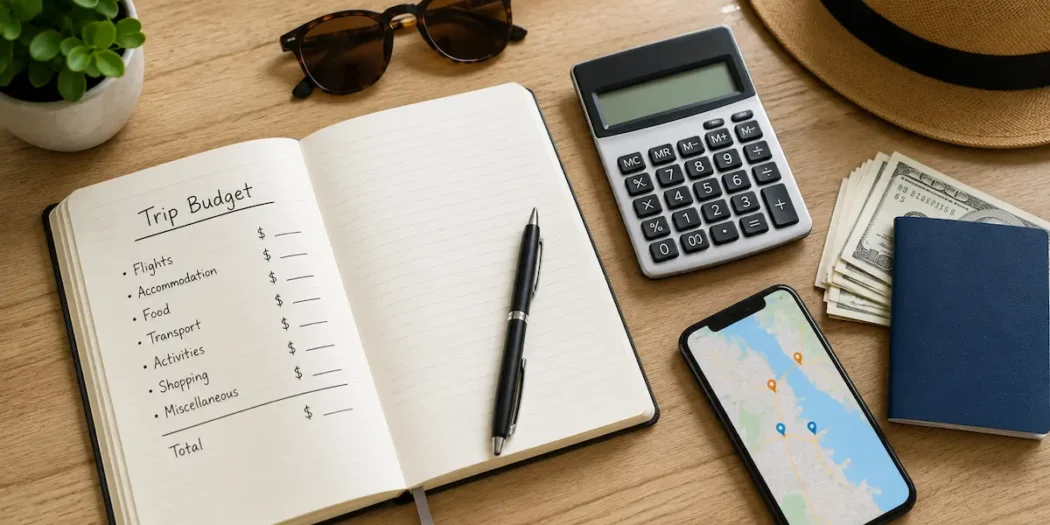
Quick Answer: To create a travel budget, start by setting a total amount you’re comfortable spending, then break that amount into categories, typically transportation, accommodations, food, activities, and a miscellaneous buffer. Accommodations and transportation usually make up the largest share of a trip’s cost, often around 60 to 65 percent combined, while food, activities, and a buffer for unexpected expenses fill out the rest. Building the budget several months before the trip gives you time to save gradually and adjust as you research actual prices for your destination.
Why a Structured Travel Budget Matters
A lot of people set a vague spending limit for a trip without breaking it into categories, which makes it easy to overspend on one area, like accommodations, and come up short for daily expenses later in the trip. A structured budget forces you to think through the full cost of a trip in advance, so you’re not making financial decisions on the fly while you’re supposed to be relaxing.
Step by Step: How to Build a Travel Budget
Step 1: Set Your Total Trip Budget
Start by deciding the total amount you’re comfortable spending on the entire trip, based on your current savings and what you can realistically set aside before departure. This number should come from your own financial situation, not from an average you’ve seen online, since travel costs vary enormously based on destination, trip length, and travel style.
Step 2: Break the Total Into Core Categories
Divide your total budget into the major categories every trip involves:
- Transportation: Flights, gas, rental car, or train tickets to and from your destination, plus local transportation once you arrive
- Accommodations: Hotels, vacation rentals, or other lodging for the length of your stay
- Food: Meals, snacks, and drinks for each day of the trip
- Activities and entertainment: Tours, attractions, tickets, and anything else you plan to do
- Miscellaneous and buffer: Travel insurance, souvenirs, unexpected costs, and a cushion for anything you didn’t plan for
Step 3: Research Actual Costs for Your Destination
Once you have categories, research real prices for your specific destination rather than relying on generic averages. Flight and hotel prices vary dramatically by location and season, and even a rough search of your actual dates gives a far more accurate starting point than any national average.
Step 4: Allocate Your Budget by Percentage
A commonly used starting framework allocates roughly 60 percent of a trip budget to transportation and accommodations combined, since these are typically the least flexible costs, with the remaining 40 percent split across food, activities, and a buffer. Your actual split will shift depending on your travel style, for example if you’re prioritizing a nicer hotel over dining out, but this gives you a reasonable starting point to adjust from.
Step 5: Build in a Buffer for the Unexpected
Set aside 10 to 15 percent of your total budget as a cushion for costs you didn’t plan for, such as a checked bag fee, a higher than expected exchange rate, or an activity you decide to add once you arrive. Trips almost always include at least one unplanned expense, and budgeting for it in advance prevents it from derailing the rest of your spending.
Step 6: Track Spending During the Trip
Use a simple app or spreadsheet to log expenses as you go, comparing them against your planned categories. This makes it much easier to notice early if you’re overspending in one area, giving you time to adjust before the trip ends rather than discovering a problem when you get home.
How to Save for the Trip Once You Have a Budget
- Start saving as early as possible, ideally at least several months before departure, since a longer runway means smaller, more manageable monthly contributions
- Open a dedicated travel savings account or fund, separate from your regular checking account, to avoid accidentally spending the money on something else
- Automate a fixed transfer each payday, treating your trip savings like a recurring bill rather than something you save only if money happens to be left over
- Redirect windfalls toward the trip fund, such as a tax refund, bonus, or cash gift, which can meaningfully accelerate your timeline without affecting your regular budget
Tools That Make Travel Budgeting Easier
- A simple spreadsheet, using Excel or Google Sheets, gives full control over categories and is easy to share with travel companions
- Dedicated travel budgeting apps, some of which allow automatic expense tracking and category suggestions specific to travel
- Destination cost research tools, which provide average daily costs for food, lodging, and activities in specific cities or countries, useful for Step 3 above
- A shared document or app if traveling with others, so everyone can see the budget and contribute to tracking expenses in real time
Mistakes People Make When Budgeting for a Trip
- Forgetting to budget for local transportation once at the destination, focusing only on the cost of getting there and back
- Underestimating food costs, particularly in destinations where dining out is a significant part of the experience
- Skipping the buffer category entirely, leaving no room for the inevitable unplanned expense
- Using a national average vacation cost as a planning figure instead of researching actual prices for the specific destination and dates
- Not adjusting the budget once actual prices come in, sticking to an early estimate even after research shows real costs are meaningfully different
FAQs
1. What percentage of a travel budget should go toward accommodations?
Accommodation costs are often cited as making up close to half of total trip expenses, excluding airfare, though this varies significantly based on destination and lodging choice.
2. How far in advance should I start saving for a trip?
Starting at least several months before departure, commonly six months or more, gives you a manageable savings timeline and more time to find better prices on flights and accommodations.
3. What’s a good way to split a travel budget by category?
A common starting framework allocates around 60 percent to transportation and accommodations combined, with the remaining 40 percent split across food, activities, and a buffer for unexpected costs.
4. Should I include a buffer in my travel budget?
Yes. Setting aside roughly 10 to 15 percent of your total budget for unexpected costs helps absorb surprises like baggage fees or last minute activity additions without derailing the rest of your spending.
5. What’s the best way to track spending during a trip?
A simple spreadsheet or a dedicated travel budgeting app both work well, as long as you log expenses regularly enough to compare them against your planned categories while there’s still time to adjust.
6. How do I budget for a trip if I don’t know exact prices yet?
Start with a rough estimate based on general research, then refine your categories as you get closer to booking flights and accommodations and have more accurate numbers to work with.
7. Is it better to use a travel budgeting app or a simple spreadsheet?
Both work well. A spreadsheet offers more control and customization, while a dedicated app often adds convenience through automatic tracking and destination specific cost suggestions.
8. How much should I set aside as a daily spending allowance while traveling?
It depends heavily on the destination and your travel style, but researching typical daily costs for food and activities at your specific destination gives a far more accurate number than a generic rule of thumb.






One comment
Pingback: How to Plan a Family Vacation on a Budget